





Lesson Summary
Aquatic invasive species (AIS) can be introduced into new bodies of water through various human pathways. Being aware of these pathways is one step that people can take in preventing future infestations.
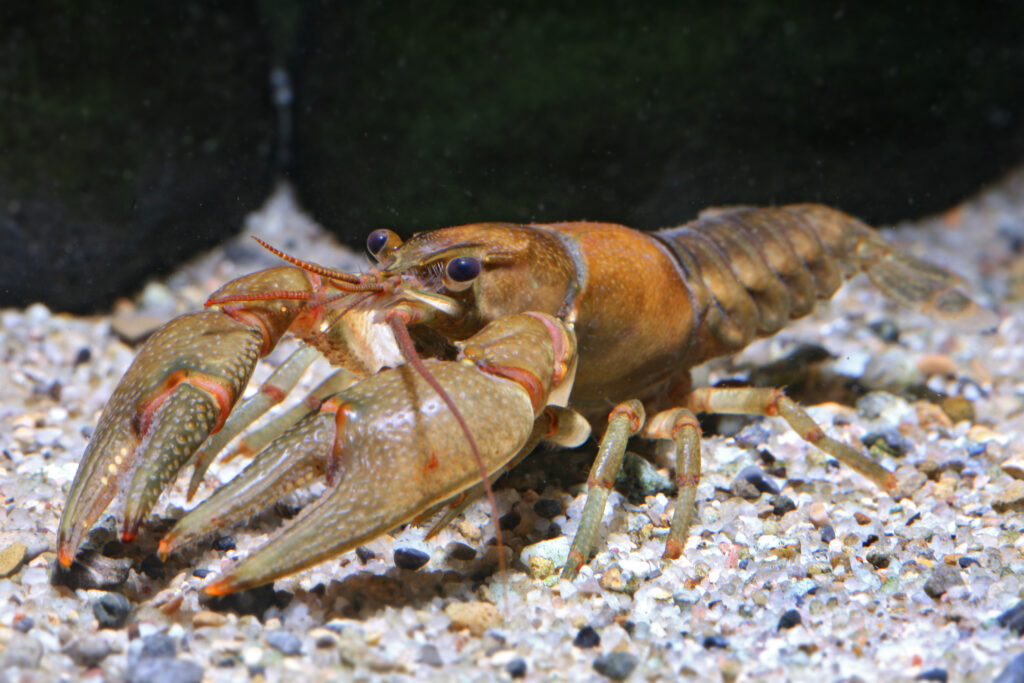
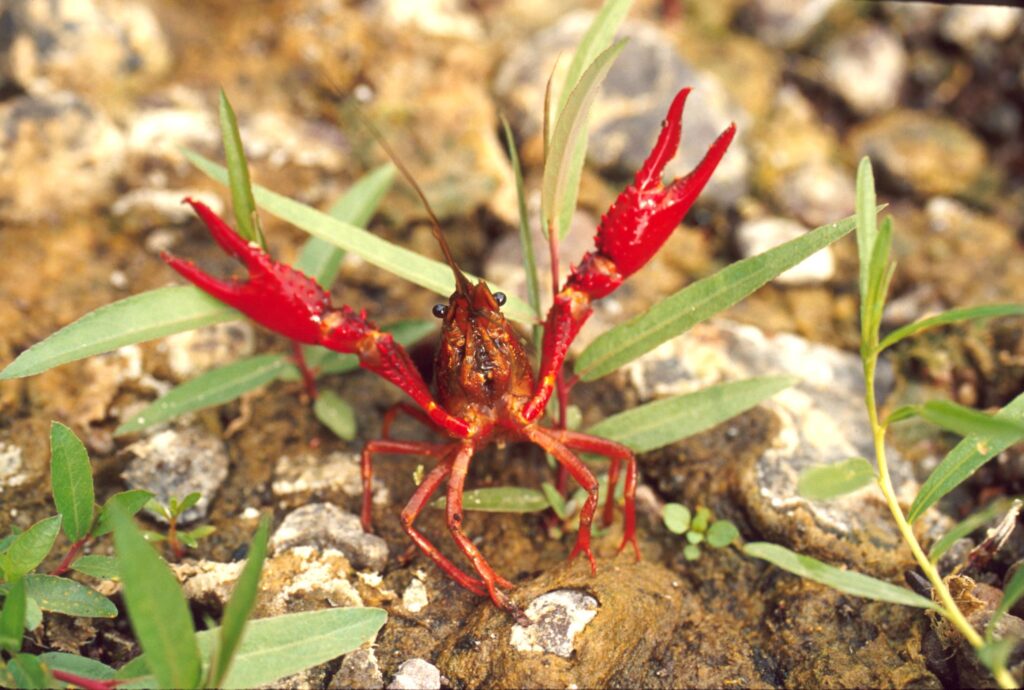
Photo Credit: National Park Service
Objectives
Students will be able to:
- Name and recognize seven ways that aquatic invasive species (AIS) can be introduced into new bodies of water by people.
- Describe how to avoid the spread of AIS.

Lesson Alignment
Next Generation Science Standards: MS-LS2-2, MS-LS2-4, MS-LS2-5, MS- ESS3-3
Materials
The student activity is provided in the lesson.
- Find 7 Ways Aquatic Invasives are Spread student activity
- Computers or tablets with internet access for student use
Time Required
This lesson will require one class period to complete.
Vocabulary
- Angler
- Bait well
- Boat trailer
- Great Lakes
- Hunting decoy
- Hydroplane
- Invasive species
- Pontoon
- Predator
- Propeller
- Recreationist
- Watercraft
- Scuba gear
Background
Aquatic invasive species (AIS) are organisms that have been introduced, either intentionally or unintentionally, into an ecosystem that is not their own. For example, if an angler releases bait after fishing, or if someone dumps aquarium plants in a local waterway, they could be unintentionally introducing AIS into the environment. These non-native organisms create additional competition for food and shelter, burdening species that were already present in the ecosystem. Because AIS lack natural predators their populations increase rapidly, and they begin to take over an area. It is almost impossible to eliminate them once they dominate a habitat. It costs tens of millions of dollars each year to control AIS. Students need to become aware of how native species in an ecosystem depend on each other to survive and the steps we can take to make a difference in keeping our waterways clean and healthy.
Helpful Hints
Prior to completing this activity, students should have a general understanding about issues associated with aquatic invasive species.
Lesson Procedure
- Students can work on this activity independently, or in small groups of 2-3.
- Provide each student with a copy of Find 7 Ways Aquatic Invaders are Spread activity to complete.
- Provide a brief introduction to AIS. In their groups, have students work cooperatively to find seven ways that AIS are spread. Students should visit Be a Hero – Transport Zero and Stop Aquatic Hitchhikers to gather tips and clues on ways to control their spread.
- Facilitate a brief class discussion about the 7 ways AIS are spread and ways to prevent it.
Wrap-Up
Evaluation is based on the written responses to questions assigned in the Find 7 Ways Aquatic Invaders are Spread activity. The answers should indicate that students have gained understanding in finding the information requested.
Extension
- One of the most important lessons students can learn in a unit about AIS is how to stop the spread of invaders. Working in groups, students could generate hypothetical solutions to a local environmental imbalance or destructive invasion.
- A community stewardship project could include writing to congressional representatives about improving laws to prevent further AIS spread, creating a video to share on YouTube, or partnering with a community organization to raise awareness about AIS issues.
- Students could research and report on current problems involving AIS and discuss successful control measures used to reduce spread.
- Learn about the Illinois-Indiana Sea Grant Students Ask Scientists program, where you could invite a scientist guest speaker to talk with your students about AIS research and management.
- Students could research and report on the importance of the Great Lakes regarding industry, recreation and tourism, agriculture, commercial and sports fisheries, forestry and mining.
Additional Resources
- Be a Hero – Transport Zero
- Great Lakes Commission, Aquatic Invasive Species
- U.S. Geological Survey, Nonindigenous Aquatic Species
- Great Lakes Aquatic Nonindigenous Species Information System
- IL-IN Sea Grant – Aquatic Invasive Species
- IL-IN Sea Grant – Sea Grant takes AIM at AIS
- IL-IN Sea Grant – What’s in your water garden?
- IL-IN Sea Grant – Biologists can be heroes too
Credits
- Originally created for ESCAPE Compendium, Great Lakes Sea Grant Network
- Created by: Kristin TePas and Pat Charlebois and designed by Jerry Barrett and Susan White, Illinois-Indiana Sea Grant
- Modified by: Terri Hallesy, Illinois-Indiana Sea Grant
This lesson is part of a larger curriculum, Ripple Effects.