




Lesson Summary
Students engage in a card-matching activity to learn about aquatic invasive species (AIS). In groups students select an aquatic invasive
species, create a poster or factsheet and develop a charade-like game to demonstrate ways to prevent invasive species from spreading.
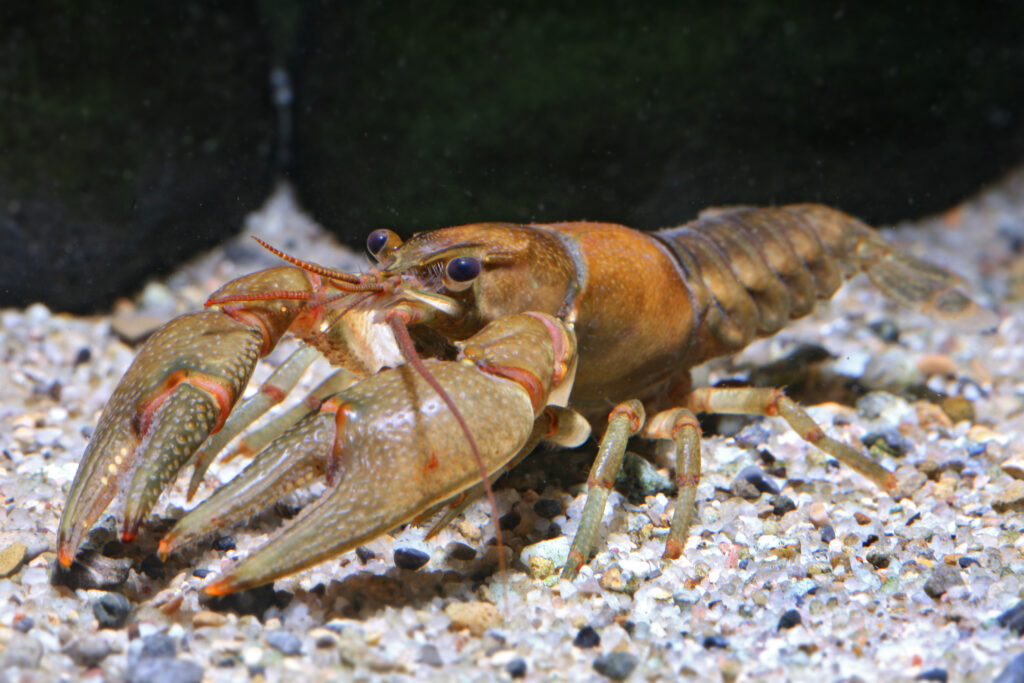
Photo Credit: Adobe Stock. Tanja Esser
Objectives
Students will be able to:
- Name and recognize some AIS in the Great Lakes.
- Understand and analyze the positive and negative impacts of AIS in the Great Lakes ecosystem.
- Explain the ways in which AIS are introduced into the Great Lakes.
- Describe and act out ways to avoid the spread of AIS.

Lesson Alignment
Next Generation Science Standards: MS-LS2-2, MS-LS2-4, MS-LS2-5, MS- ESS3-3
Materials
The cards are provided in the lesson.
- Invader Species picture cards
- Introduction cards
- Ecosystem Impact cards
- 8 ½” x 11” colored paper
- Scissors
Time Required
This lesson will require three class periods to complete.
Vocabulary
- Alewife
- Ballast water
- Invasive species
- Great Lakes
- Non-native species
- Pacific salmon
- Plankton
- Purple loosestrife
- Sea lamprey
- Spiny waterflea
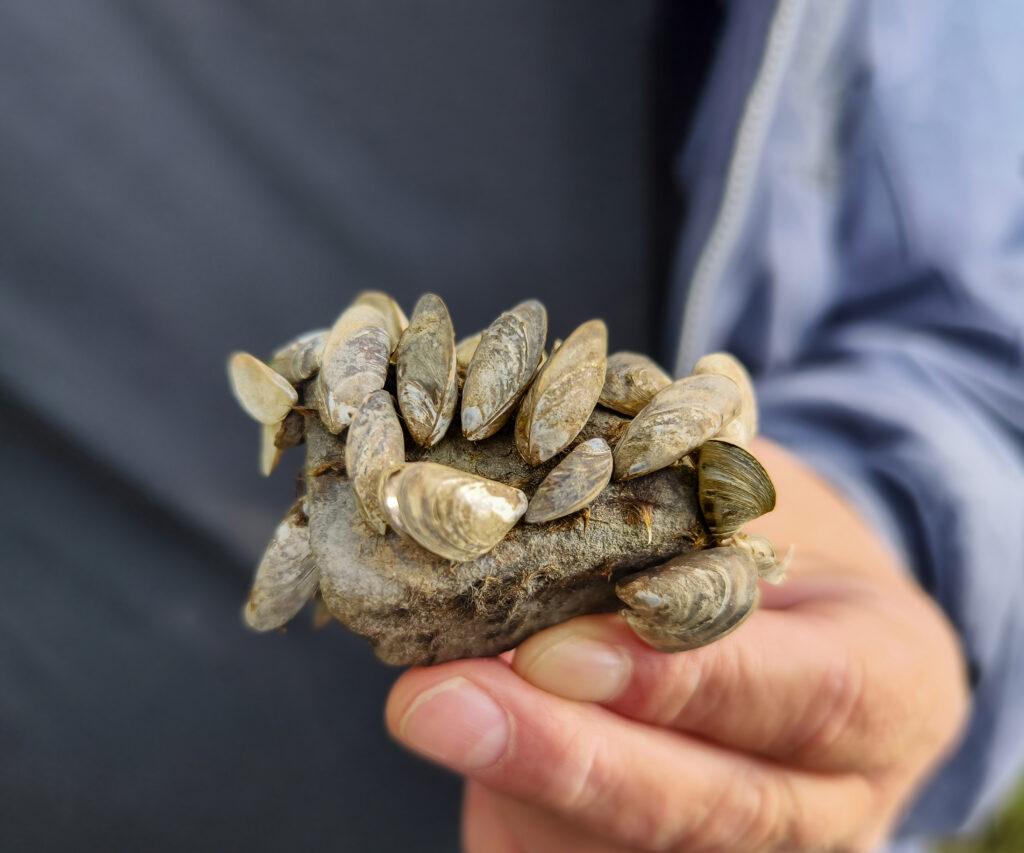
- Zebra mussel
Background
An invasive plant or animal is one that has moved and established outside of its native range and causes harm to the environment, economy, or human health. Invasive species arrive through intentional or accidental human actions. Biologists usually judge the consequences of these impacts based on how much they add to, or detract from, some important human endeavors. They also attempt to examine the effects upon other plant or animal species. Invasive species sometimes have no natural predators in their new locations, and this may allow them to overpopulate an area and reduce native species.
Since the early 1800s, over 180 species of aquatic plants, algae, fish, worms, mollusks, other organisms, and diseases have been introduced into the Great Lakes. It is estimated that about 20% of the 170 or so species of Great Lakes fish are non-native species that were introduced accidentally or intentionally.
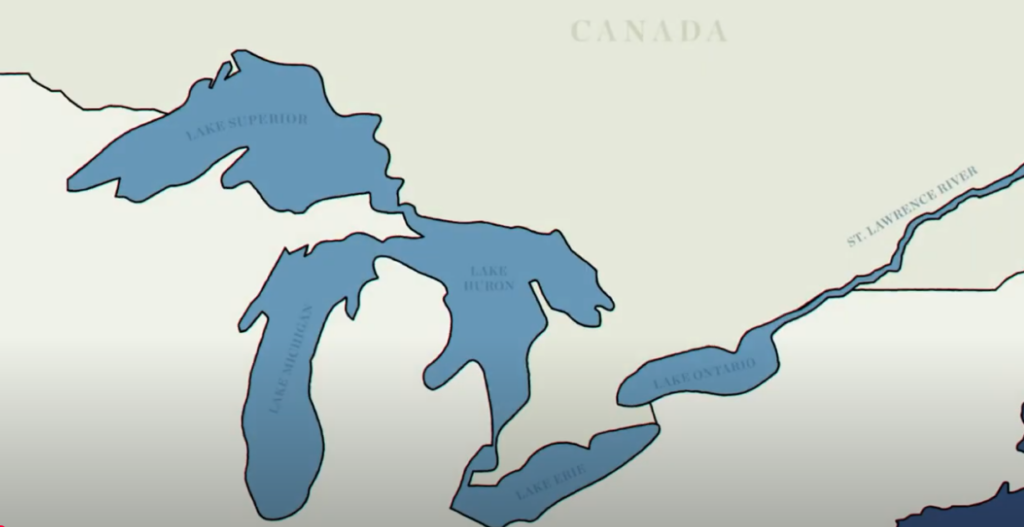
A few aquatic invasive species have had very substantial impacts. One such invader to the Great Lakes is the sea lamprey. Common to the ocean waters from Florida to Labrador, sea lamprey swim inland into fresh waters to spawn. Natural barriers, like Niagara Falls, previously prevented them from reaching the rest of the Great Lakes. However, once shipping routes like the Erie and Welland canals were opened up, sea lamprey easily found their way to the Great Lakes, where it decimated populations of native and
stocked fish species.
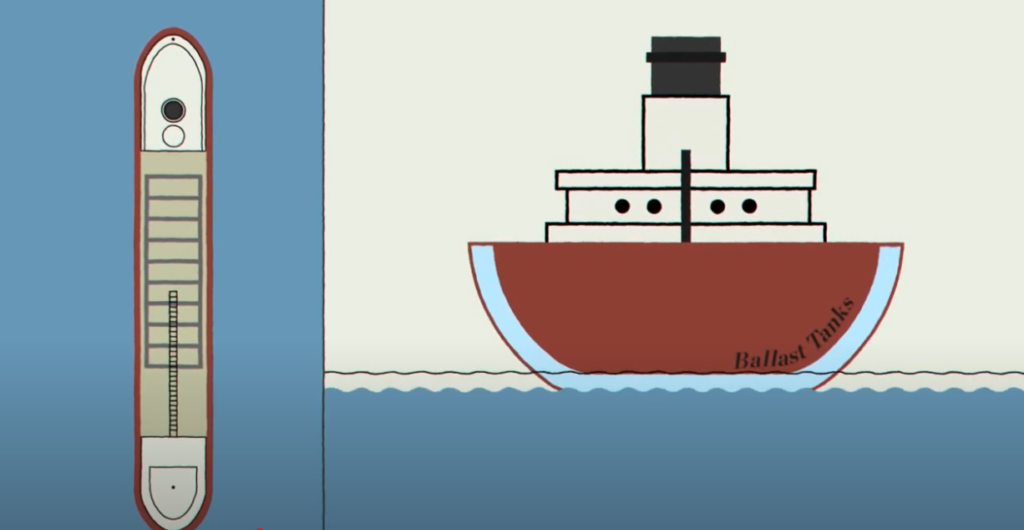
Many AIS hitched a ride to the Great Lakes region in the ballast of ships. When ships are not loaded with cargo, they take on ballast for better balance, stability, and safety. The use of water as a ballast has replaced the use of sand and stones over the past 100 years or so. Scientists think many of today’s invasive species, such as quagga mussels, round goby, Eurasian ruffe, and spiny waterflea, were sucked up from foreign harbors by powerful water pumps. Ballast tanks are filled with water from the harbors wherever ships are loaded, and then the water is dumped, along with any aquatic organisms present, when ships reach their destination. It is estimated that in the history of the Great Lakes, over 30% of the invader species entered in solid ballast and over 50% through ballast water.
The United States and Canada now require that all ships entering the Great Lakes to discharge their freshwater ballast while still in the ocean, replacing it with saltwater ballast to reduce the introduction of new aquatic invasive species.
There are always trade-offs involved with the accidental or intentional introduction of a species into an ecosystem. Sometimes the impacts are difficult to judge ahead of time. Laws and regulations are intended to force a careful review of pros and cons before the intentional introduction of a new species is allowed. The introduction of a species that will have mostly detrimental impacts is not allowed.
People can help to avoid the spread of AIS by taking precautions. For example, boaters should be careful to rinse the bottoms of boats, bilge pumps, and live wells with clean, heated tap water before leaving lake or river areas. And they should remove aquatic plants that cling to boats and hulls. Ships should always release foreign ballast before entering their destination.
Helpful Hints
This activity involves a wide range of skills including citizenship, classification, comparison, description, discussion, listening, media construction, problem solving, public speaking, reading, reporting, responsibility, role-playing, small-group dynamics and writing.
Lesson Procedure
- Decide how many students you would like to have working together. Prepare a complete set of cards for each group. Copy each of the three types of cards (Ecosystem Impact, Introduction, and Invader picture cards) on different colored paper. Have students cut them apart, or have cards precut before doing the activity. One complete set contains 18 cards.
- Introduce the topic of AIS to the class. Explain key points made in the background section and define difficult vocabulary words such as invasive, non-native, invader, ballast, and plankton.
- Divide students into cooperative learning groups and distribute the cards.
- Have students match each AIS to its corresponding cards.
- When group members agree that they have matched the cards to the best of their ability, have them check their answers using the answer sheet.
- Each group selects an invader to present to the class. Have students construct a poster or develop a factsheet. They should include the impact of the invader on humans or the ecosystem. Then have them prepare a charade-like presentation that demonstrates how to prevent the spread of their invasive species.
- Each group presents its AIS using the poster or factsheet that was developed. The group acts out a way to prevent the spread of AIS and the rest of the class guesses the action they are performing.
After all groups have presented and acted, review the importance of informed decision-making with regard to AIS. Remind them that there are some positive changes as a result of AIS; however, there are often many negative impacts to the Great Lakes ecosystem, and we are all responsible for making good decisions. Help guide students to the conclusion that invading species can harm the ecosystem in sometimes unpredictable ways that may have short-term benefits, but long-term detrimental impacts.
Discussion questions include:
- Why should people be concerned about AIS?
- What are some negative impacts of AIS?
- What are some positive changes that result from introduction of AIS?
- What actions can you take to prevent the spread of AIS?
- What are some examples of good and bad decisions people can make with regard to AIS?
- How do AIS affect ecosystems?
Wrap-Up
- Observe groups as they discuss and organize their cards.
- Observe group presentations of invasive species.
- Collect the groups’ invader posters or factsheets to evaluate according to teacher criteria.
Extension
- Have students describe how to count the number of insects in a square meter area of the playground, using the sampling method.
- By making calculations, have students compute how many sheets of paper with dots are needed to make 3 million.
Additional Resources
Websites:
- A Field Identification Guide to Invasive Plants in Michigan’s Natural Communities
- U.S. Geological Survey, Nonindigenous Aquatic Species
- Great Lakes Aquatic Nonindigenous Species Information System
Kits:
Credits
- Created by: Jim Alvaro, Anchor Bay School District, Clinton Township, MI
- Modified by: Terri Hallesy, Illinois-Indiana Sea Grant
- Invader Picture cards, Introduction cards, and Ecosystem Impact cards were included in the student activity of this lesson with permission from Ohio Sea Grant.
This lesson is part of a larger curriculum, Ripple Effects.