
Center for Great Lakes Literacy (CGLL) logo
  • About CGLL
    • Meet Our Team
    • Purpose & Principles
    • Great Lakes
  • Resource Library
  • Learning Opportunities
  • CGLL In Action
  • Connect
Aerial shot of beautiful blue lagoon at hot summer day with sailing boat. Top view.

admin@cgll.education
All Resources
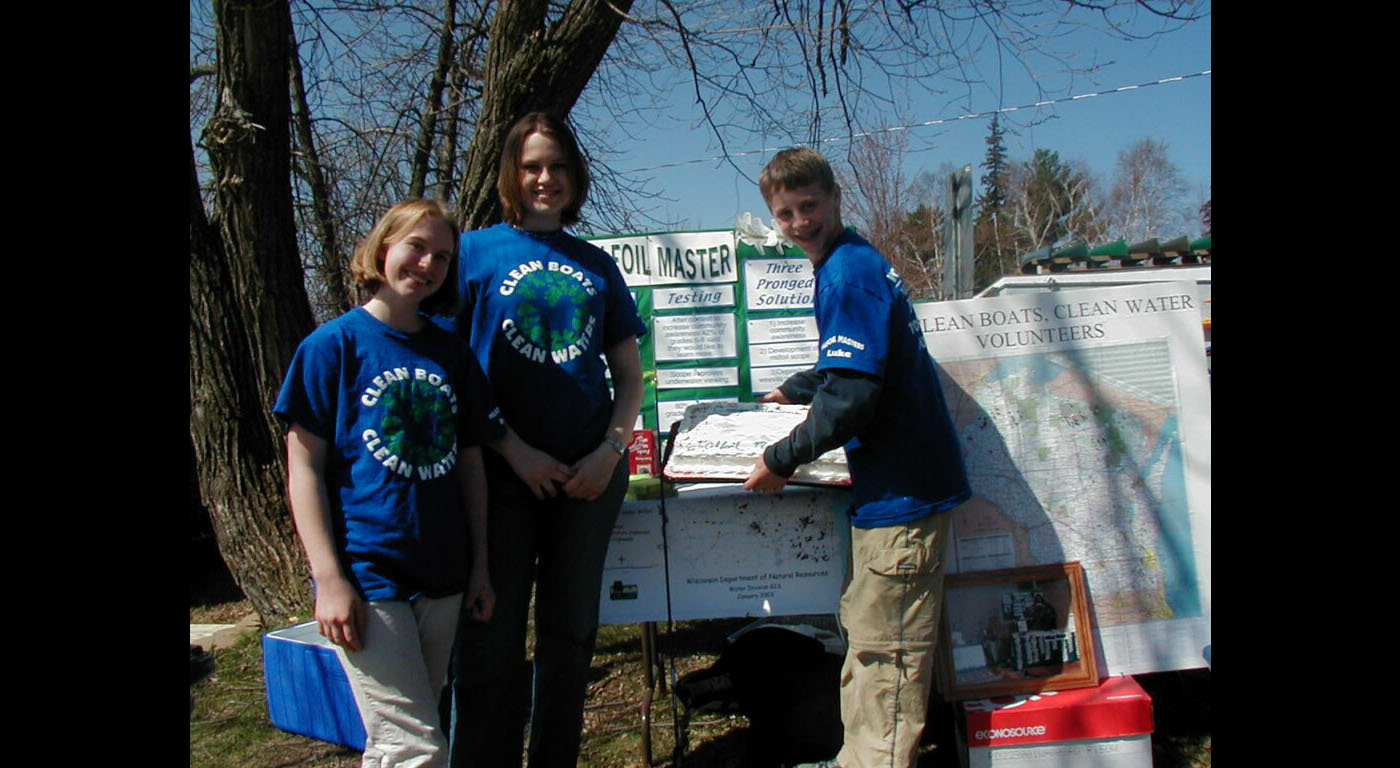
Students Maree, Janelle, and Luke, in the original Clean Boats, Clean Waters shirts, pose at their outdoor educational booth.
  • Supporting Materials
  • Environmental Education
  • Science
  • Aquatic Invasive Species
  • Human Impacts
  • Stewardship
  • Lake Superior
  • Lake Michigan
  • Lake Huron
  • Lake Erie
  • Lake Ontario

Article: Podcast tells story of seventh graders who launched Clean Boats, Clean Waters

All Learners

University of Wisconsin Sea Grant logo


This article highlights how middle school students helped launch the aquatic invasive education campaign – Clean Boats, Clean Waters. Maree Stewart was a middle schooler from Minocqua, Wisconsin, when she and two classmates had an idea that would shape Wisconsin’s lakes for the next 20 years and beyond.

“It doesn’t feel now like I’ve done this big, momentous thing, but it really has made such a difference,” Stewart said. “And it’s just really amazing how many people have been impacted by a science project that I did when I was 12 years old.”

In 2001, Stewart, Luke Voellinger, and Janelle Zajicek kick-started what would become Clean Boats, Clean Waters (CBCW), one of the most successful watercraft inspection and aquatic invasive species (AIS) education programs in the country. With the help of a $25,000 grand prize, dedicated mentors, and some fateful wordsmithing from a local t-shirt printer, the trio transformed a middle school science project into a statewide initiative that’s connected with over two million boaters.

Written by: Jenna Mertz

Publication Date: June 25, 2025
Read Article

Explore Related Resources

Explore Our Resources
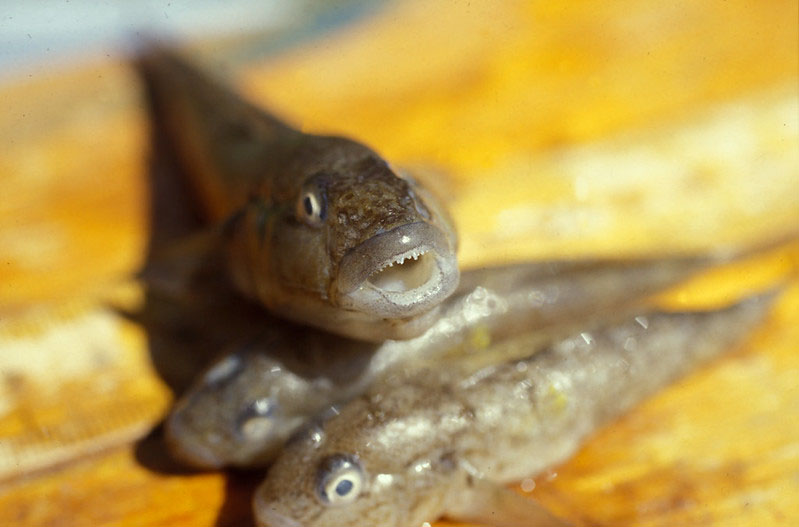
three invasive Goby fish on a wooden background
Supporting Materials
Supporting Materials Icon
Many Audiences
Science
Aquatic Invasive Species, Ecosystems, Human Impacts

Article: Alien Language Series Part 1 – Understanding terminology about nonindigenous species

View Resource
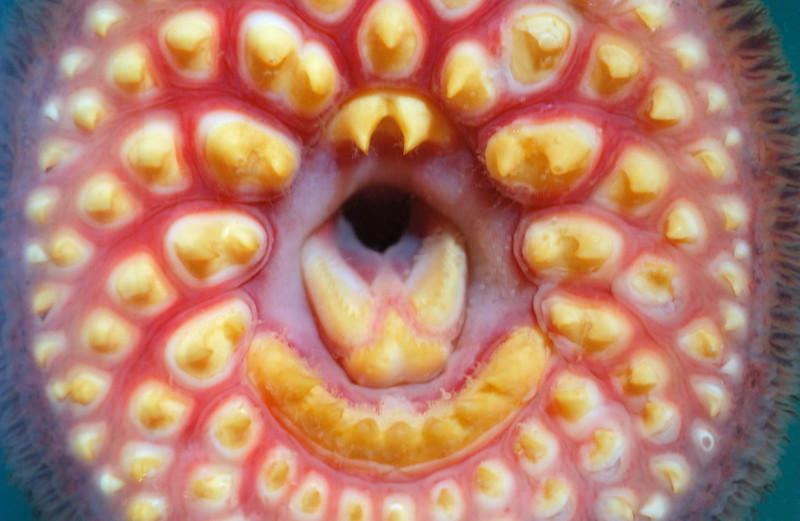
Sea Lamprey disc
Supporting Materials
Supporting Materials Icon
Many Audiences
Science
Aquatic Invasive Species, Human Impacts

Story Map: Aquatic Invasive Species in the Great Lakes

View Resource
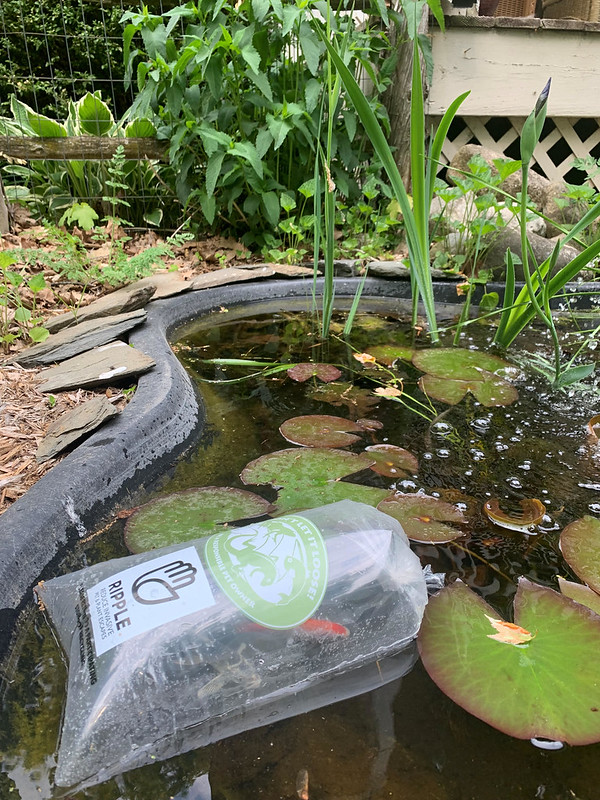
Water garden filled with aquatic plants. At the top of the pool, there is plastic bag promoting the RIPPLE program filled with a fish, water and air. The Reduce Invasive Pet and Plant Escapes (RIPPLE) program partners with aquarium and water gardener retailers to share invasive species prevention information. Through RIPPLE, retailers are supplied free products to display in their store and handouts for customers, stressing the importance of not releasing species into the wild.
Supporting Materials
Supporting Materials Icon
Many Audiences
Science
Aquatic Invasive Species, Human Impacts

Video: Aquatic invasive species vectors of spread – aquariums and water gardens

View Resource
Center for Great Lakes Literacy (CGLL) logo

Our Commitment

Center for Great Lakes Literacy programs and materials are open to all. If you experience difficulty accessing this website or the materials found on this website, please email admin@CGLL.education.

Join our newsletter to stay up to date on CGLL news.

Sign Up

Leadership Partners

  • Purpose & Principles
  • Great Lakes
  • Resource Library
  • Learning Opportunities
  • CGLL In Action
  • Connect

  • Accessibility
  • Terms & Conditions

© 2026 Center For Great Lakes Literacy · Website by Gecko