Maadagindan (Start Reading) Book Club Discussion: Hummingbird

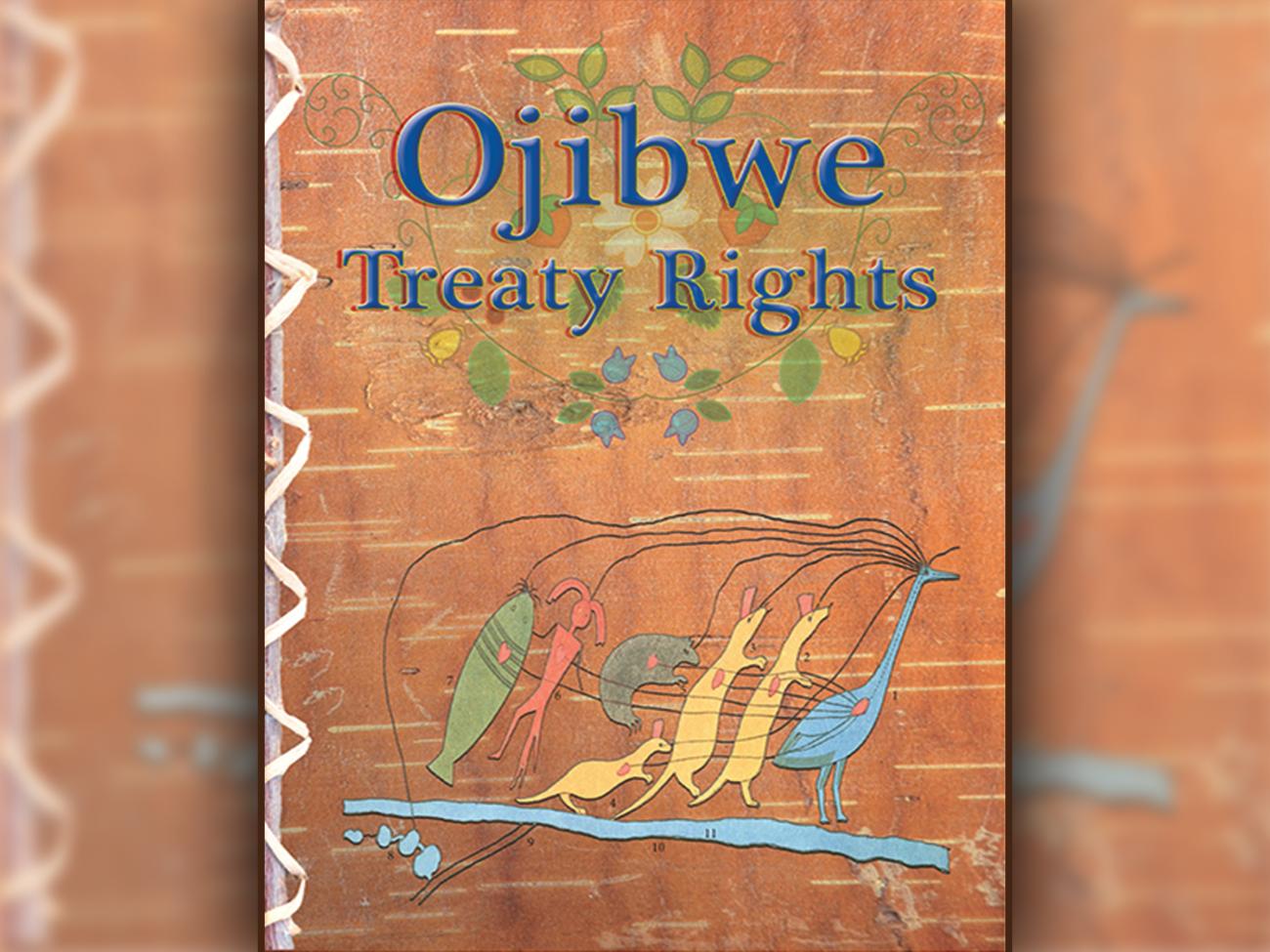
This discussion is part of Maadagindan!, a book club on children’s literature by Native American authors that focus on the Great Lakes and Ojibwe culture. Book Description: In Hummingbird,  the ancestors send a hummingbird to a child lost in Windigo’s darkness, along with its teachings of resilience, love and connection. It is a bilingual book, in […]

Student Shorts Film Competition Deadline: Thunder Bay International Film Festival

What: The Student Shorts Film Competition is an annual part of Thunder Bay International Film Festival, where youth get to share about the Great Lakes on the big screen with films three minutes or less in length! Who: Middle and High School students (6th-12th grade) are eligible to enter individually or as a team When: […]

Aquatic Invasive Species GLLee | Google Classroom Module

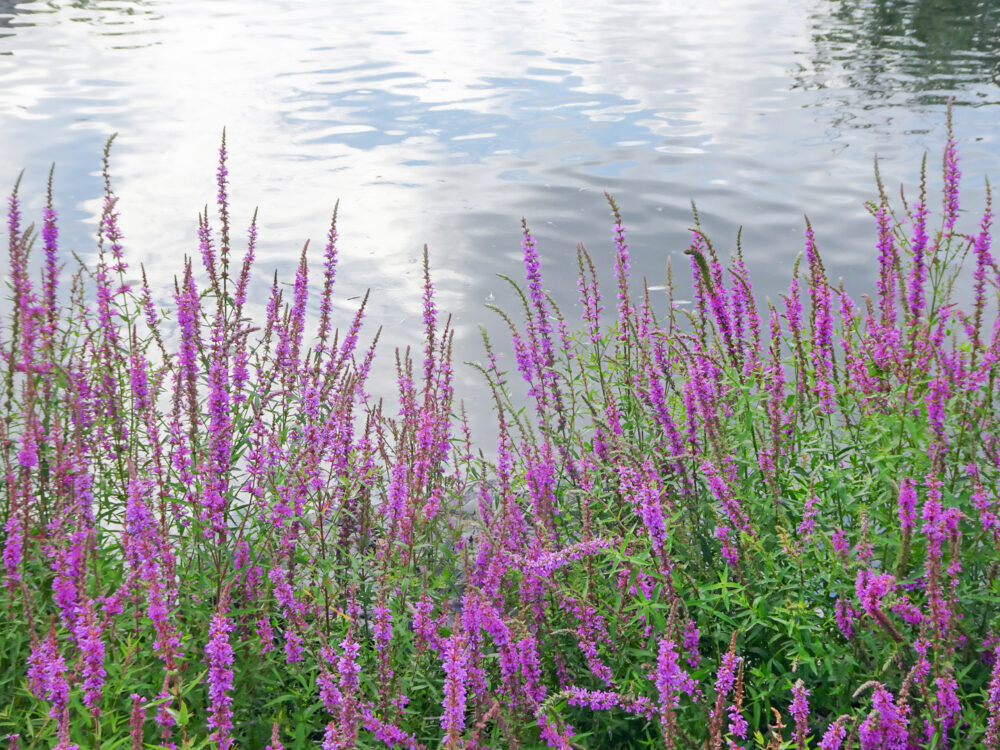
Who? Best suited for educators who work with students in grades 4-12 What? Aquatic invasive species (AIS) are nonindigenous species that have a negative environmental, social, or economic impact on the Great Lakes region. Driving Question? How do invasive species impact the Great Lakes and what can we do to help reduce their impacts on native ecosystems? […]

Coastal Erosion GLLee | Google Classroom Module

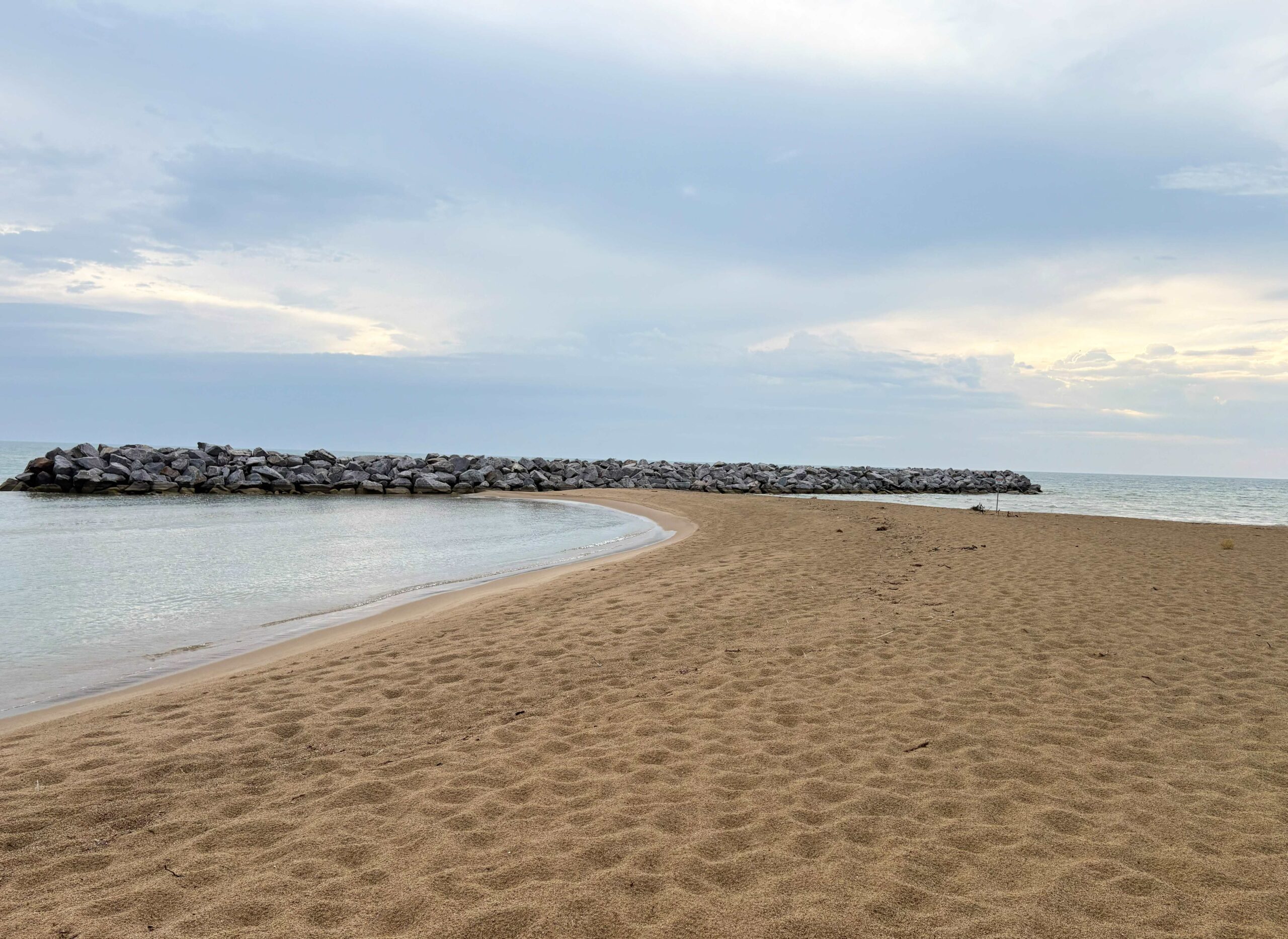
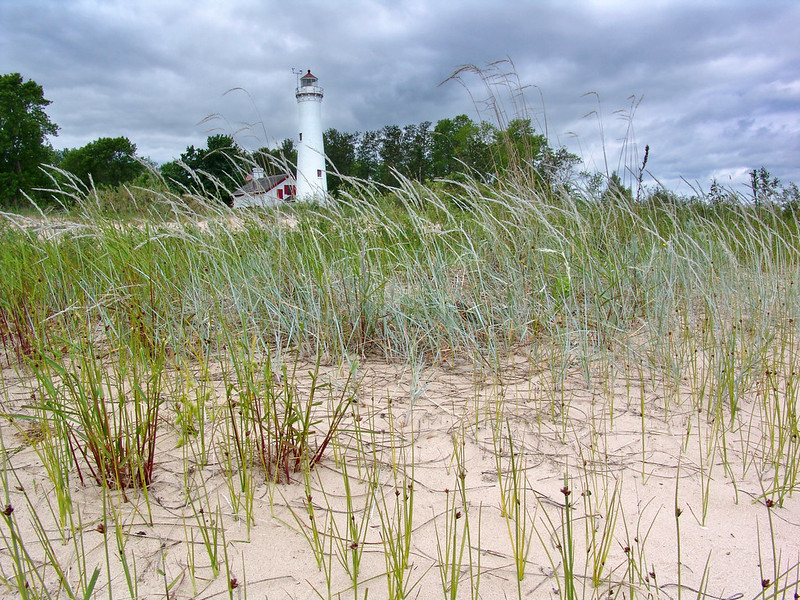
Who? Best suited for educators who work with students in grades 6-12 What? Coastal erosion is the process by which strong wave action and coastal flooding wear down or carry away rocks, soils, and sands along the coast. Driving Question? How does coastal erosion shape the shorelines of the Great Lakes and impact our ecosystems and communities? Register […]

Freshwater Mussels GLLee | Google Classroom Module

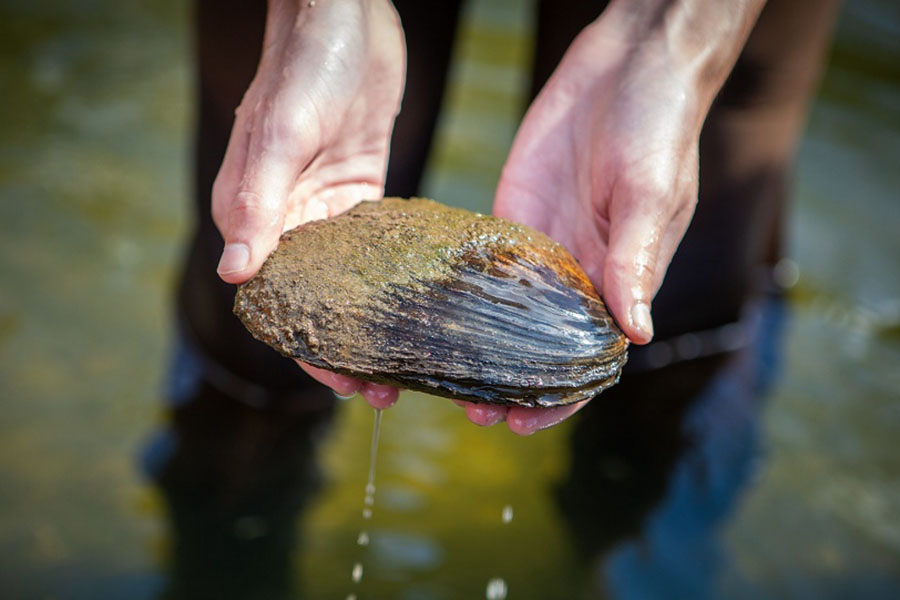
Who? Best suited for educators who work with students in grades K-12 What? Freshwater Mussels are bi-valved mollusks that act as the ‘kidneys’ of the waterways they live in. Driving Question? “How do freshwater mussels contribute to the health of aquatic ecosystems, and why are they important to both the environment and human communities?” Register for Freshwater […]

Habitat Restoration GLLee | Google Classroom Course

Who? Best suited for educators who work with students in grades K-12 What? Habitat restoration includes protecting and restoring habitat to sustain fisheries, recover protected species, and maintain resilient coastal communities and ecosystems Driving Question? How are habitat restoration efforts currently being conducted in the Great Lakes region? Register for Habitat Restoration GLLee Great Lakes Literacy education exploration, […]

Plankton GLLee | Google Classroom Module

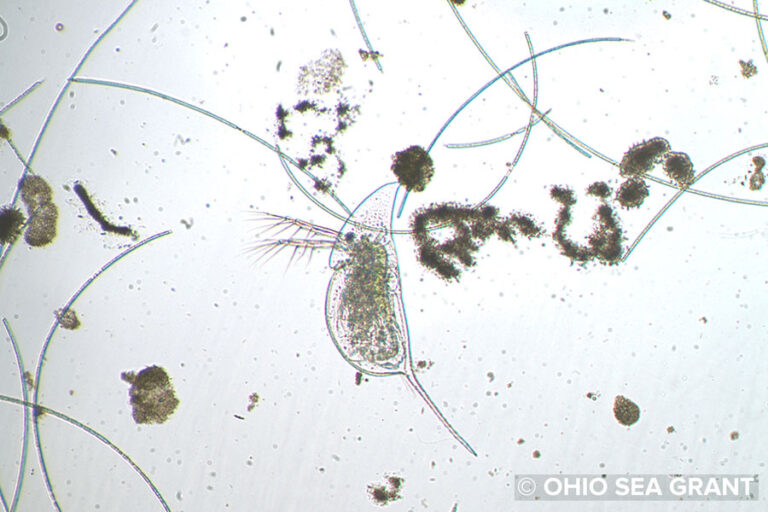
Who? Best suited for educators who work with students in grades K-12 What? Plankton are microscopic organisms that are carried by currents in water and make up the base of the food web in aquatic ecosystems. Driving Question? “How do plankton in the Great Lakes support the entire aquatic food web, and what factors are threatening their populations?” […]

Vernal Pools GLLee | Google Classroom Module

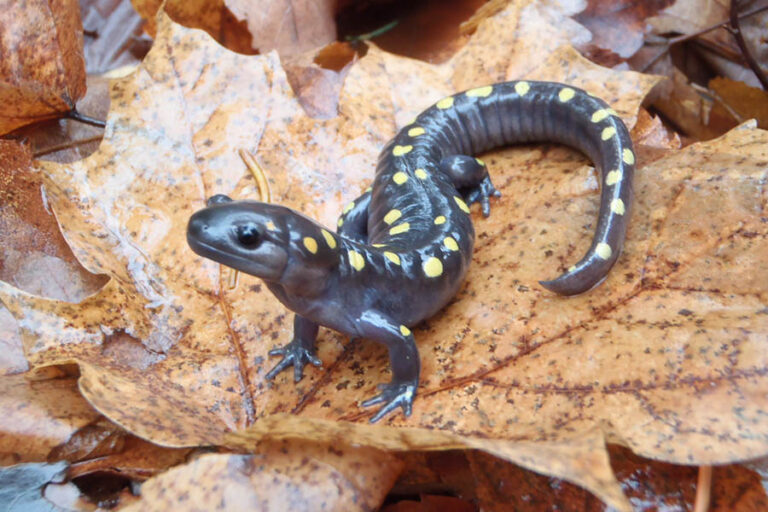
Who? Best suited for educators who work with students in grades 6-12 What? Vernal pools are “wicked big puddles” and ecologically serve as the “coral reefs of our northern forest ecosystems.” Driving Question? How do vernal pools (i.e., seasonal woodland wetlands) benefit the Great Lakes region? Register for Vernal Pools GLLee Great Lakes Literacy education exploration, or […]

Marine Debris GLLee | Google Classroom Module

Who? Best suited for educators who work with students in grades 4-12 What? Marine debris is any human-made material that can end up – on purpose or by accident – in our rivers, ocean, and Great Lakes. Driving Question? How does marine debris impact our Great Lakes and animals (including humans) and plants that depend […]

Harmful Algal Blooms GLLee | Google Classroom Module

Who? Best suited for educators who work with students in grades 3-12 What? Harmful algal blooms are excessive growths of nutrients in bodies of water that can cause negative impacts on human, animal, and environmental health.  Driving Question? How do harmful algal blooms impact our Great Lakes and health? Register for Harmful Algal Blooms GLLee […]

Students Ask Scientists – Making Mercury Toxic: Microbial Transformations of a Global Pollutant

Mercury is a dangerous neurotoxin that can be found in high concentration in fish across the globe. Surprisingly, mercury levels in the environment are quite low compared to other forms of pollution. However, microorganisms in the environment can convert the mercury that is released into the environment into another form of mercury called methylmercury. This […]

Application Deadline: President’s Environmental Youth and Environmental Educator Awards

EPA has extended the deadline for applications for the 2025 President’s Environmental Youth Awards (PEYA) and Presidential Innovation Awards for Environmental Educators (PIAEE). Applications for both awards are now due no later than Friday, January 16, 2026. The EPA is focused on Powering the Great American Comeback and wants to recognize students and educators across […]